
Reviews begin with questions
Most businesses review the past by asking:
• Did we meet our goals?
• Were sales up?
• Did expenses stay on budget?
Those are useful questions.
But they only tell part of the story.
A meaningful review isn’t just about measuring what happened. It’s about understanding why it happened and what the business is telling you.
The businesses that gain the most from a review often leave with a different understanding of their business, not just different numbers on a report.
Why we review at all
A review isn’t simply an evaluation. It’s an opportunity to learn.
Sometimes the most valuable insights from a business review don’t come from the numbers. They come from understanding the questions behind the problems.
While a review may start with cleaning up the numbers, comparing results, and planning for what comes next, the deeper value often comes from looking beyond the numbers. It comes from understanding the assumptions, processes, and decisions that shaped those results.
Finding the real question
A business owner once came to me with what seemed like a straightforward request.
They wanted me to help fix their business partner.
They described the partner as disorganized and believed that was the source of the problems they were experiencing.
My response surprised them.
I said I’d be happy to work with the partner, but only if the partner believed they had a problem to solve.
We left it there.
A few months later, the owner came back.
This time, the request was different.
They wanted help with time blocking because they couldn’t seem to get ahead.
Again, it sounded like a productivity problem.
It wasn’t.
As we explored how projects moved through the business, a different picture began to emerge.
Work was regularly starting before the information needed to complete it was available.
The owner knew this increased the likelihood of rework, but they felt pressure to keep the partner happy.
When changes inevitably came, the work was redone at no additional charge.
We didn’t begin by changing the partnership.
We began by understanding the business’s own process. Together, we identified each stage of a project and asked a simple question:
What information needs to be in place before this stage can begin successfully?
That process did more than improve the workflow. It created a foundation for a more productive conversation between the partners.
With each stage of the project clearly defined and the required information understood, the owner could confidently set expectations before work began. The goal wasn’t to prove one person was right or wrong. It was to create a shared understanding of what the business needed to succeed.
The owner was now prepared for either outcome. The partnership could grow stronger through greater understanding and mutual respect, or it would become clear that it was no longer the right fit.
When changes inevitably came, the conversation was no longer about blame or frustration. Expectations had been established, and the owner had the clarity to respond differently.
In the end, the partner stopped sending work. It wasn’t the outcome the owner had hoped for, but it was one they had thoughtfully prepared for.
Rather than creating a loss, it created space. Space that allowed the owner to successfully build stronger client relationships and continue growing their business.
Seeing the value
That is the real value of reviewing your business. It isn’t about proving that something went wrong or finding someone to blame. It’s about creating enough clarity to understand what is happening, what needs to change, and what decisions will move the business forward.
Sometimes the biggest improvements don’t come from adding more effort. They come from taking the time to understand the business more clearly.
Follow effective action with quiet reflection. From the quiet reflection will come even more effective action.”
– Peter Drucker
If your business keeps raising the same questions but the answers still feel out of reach, it may be time to look beyond the numbers. Book a complimentary call to explore how your financial tracking and information flow are supporting your business, or subscribe to my newsletter for practical insights on building stronger business systems and making more confident decisions.
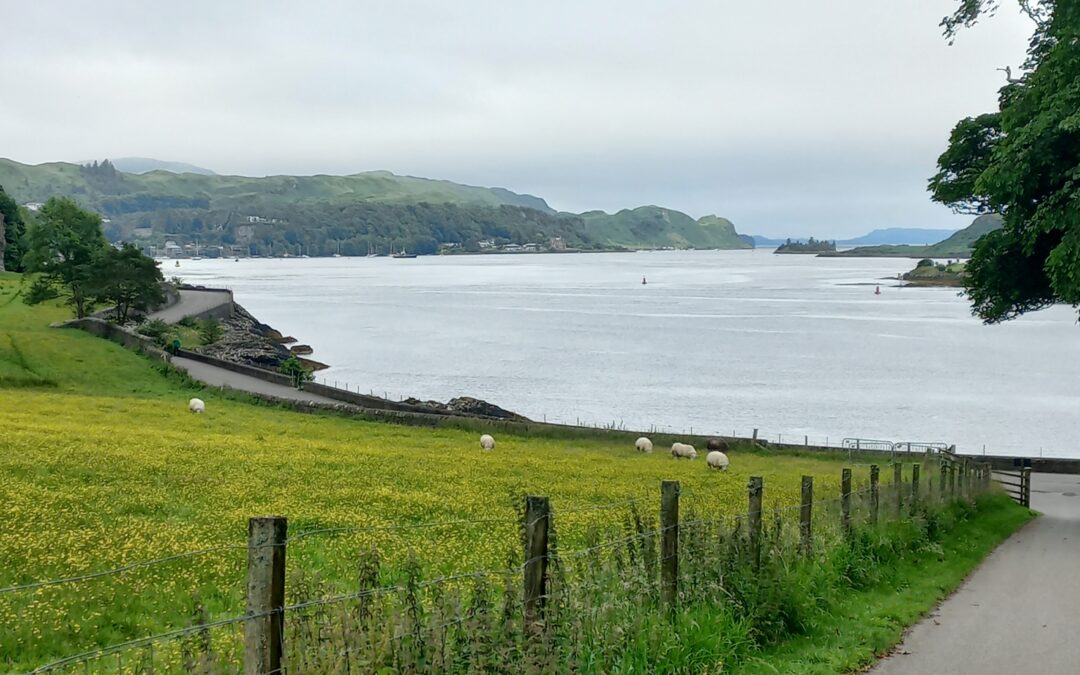
photo by L.Davidson – Iona, Isle of Mull, Scotland
Recent Comments